3,22-dioxochol-4-en-24-oyl-CoA
Molecular structure
Foods containing this compound

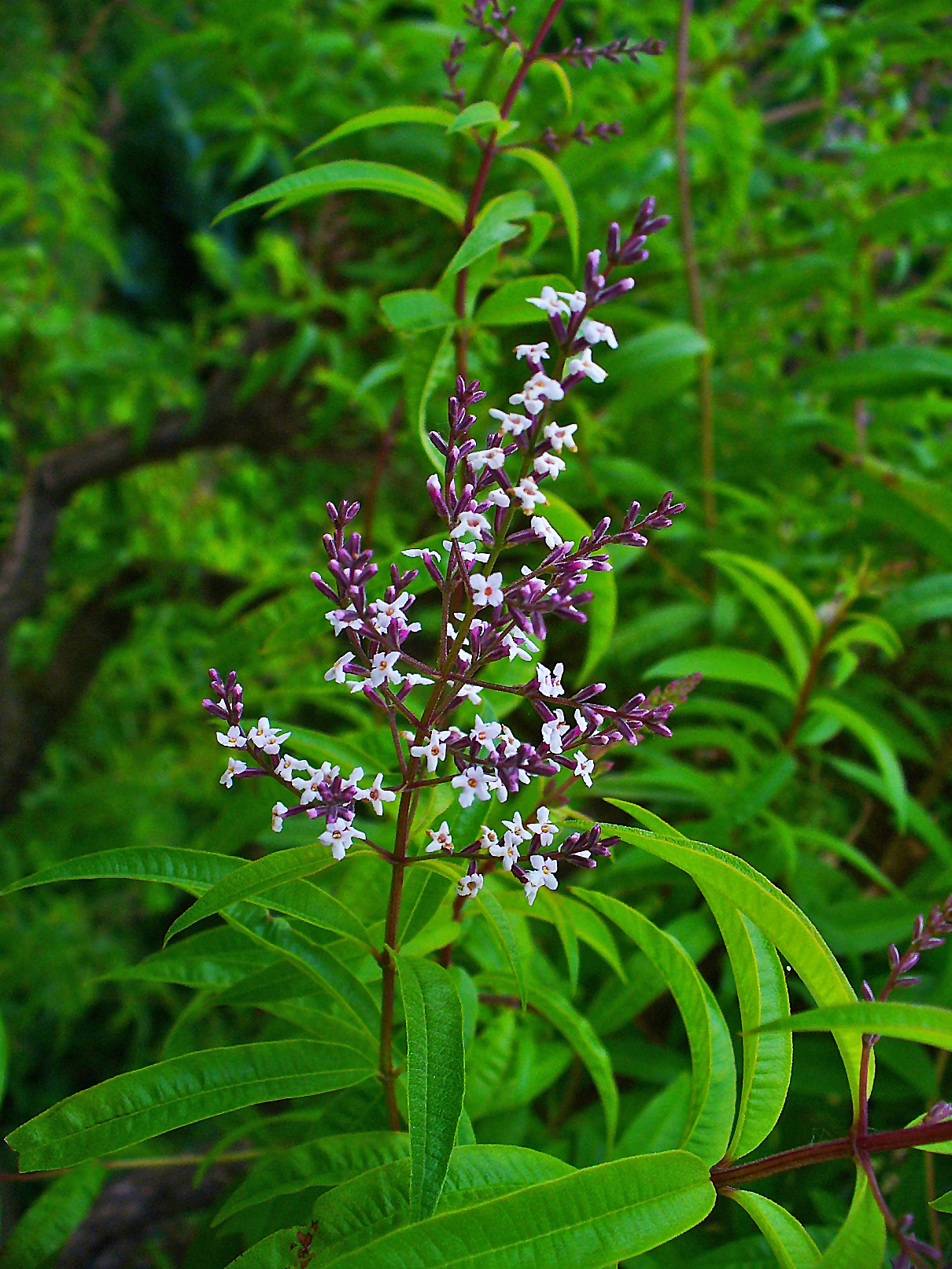
Aloysia citrodora is a species of flowering plant in the verbena family Verbenaceae, native to northwestern Argentina and southern Bolivia. Common names include lemon verbena and lemon beebrush. It was brought to Europe by the Spanish and the Portuguese in the 17th century.
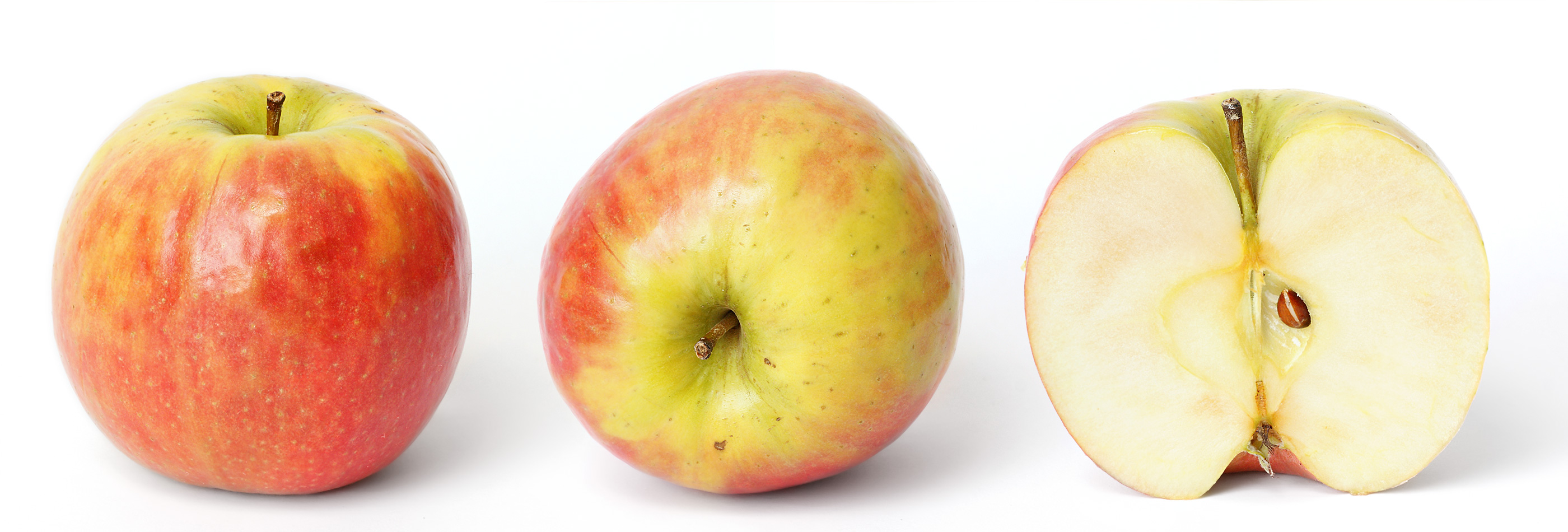
The apple is the pomaceous fruit of the apple tree, species Malus domestica in the rose family. It is one of the most widely cultivated tree fruits, and the most widely known of the many members of genus Malus that are used by humans. Apples grow on small, deciduous trees. The tree originated in Central Asia, where its wild ancestor, Malus sieversii, is still found today. Apples have been grown for thousands of years in Asia and Europe, and were brought to North America by European colonists. Apples have been present in the mythology and religions of many cultures, including Norse, Greek and Christian traditions. In 2010, the fruit's genome was decoded, leading to new understandings of disease control and selective breeding in apple production. There are more than 7,500 known cultivars of apples, resulting in a range of desired characteristics. Different cultivars are bred for various tastes and uses, including in cooking, fresh eating and cider production. Domestic apples are generally propagated by grafting, although wild apples grow readily from seed. Trees are prone to a number of fungal, bacterial and pest problems, which can be controlled by a number of organic and non-organic means. About 69 million tonnes of apples were grown worldwide in 2010, and China produced almost half of this total. The United States is the second-leading producer, with more than 6% of world production. Turkey is third, followed by Italy, India and Poland. Apples are often eaten raw, but can also be found in many prepared foods (especially desserts) and drinks. Many beneficial health effects have been found from eating apples; however, two forms of allergies are seen to various proteins found in the fruit.

Spearmint or spear mint (Mentha spicata) is a species of mint native to much of Europe and southwest Asia, though its exact natural range is uncertain due to extensive early cultivation.

Oenothera is a genus of about 145 species of herbaceous flowering plants native to the Americas. It is the type genus of the family Onagraceae. Common names include evening primrose, suncups, and sundrops. They are not closely related to the true primroses (genus Primula).
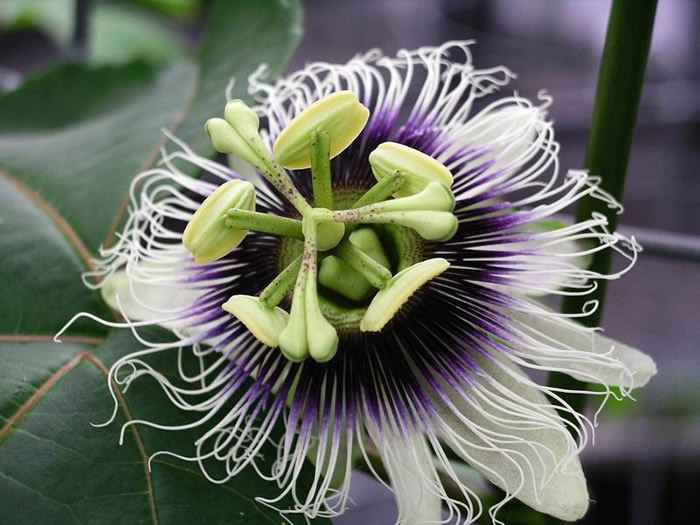
Passiflora edulis is a vine species of passion flower that is native to Brazil, Paraguay and northern Argentina. Its common names include passion fruit (UK and US), passionfruit (Australia and New Zealand), and purple granadilla (South Africa). It is cultivated commercially in warmer, frost-free areas for its fruit and is widely grown in Argentina, Australia, Bolivia, Brazil, the Caribbean, Colombia, Costa Rica, Dominican Republic, East Africa, Ecuador, Haiti, Hawaii, India, Indonesia, Israel, Mexico, New Zealand, Panama, Peru, Portugal, Puerto Rico, Sri Lanka, South Africa, United States, Venezuela and Philippines. The passion fruit is round to oval, either yellow or dark purple at maturity, with a soft to firm, juicy interior filled with numerous seeds. The fruit is both eaten and juiced; passion fruit juice is often added to other fruit juices to enhance the aroma.
Black pepper (Piper nigrum) is a flowering vine in the family Piperaceae, cultivated for its fruit, which is usually dried and used as a spice and seasoning. The fruit, known as a peppercorn when dried, is approximately 5 millimetres in diameter, dark red when fully mature, and, like all drupes, contains a single seed. Peppercorns, and the ground pepper derived from them, may be described simply as pepper, or more precisely as black pepper (cooked and dried unripe fruit), green pepper (dried unripe fruit) and white pepper (dried ripe seeds). Black pepper is native to south India, and is extensively cultivated there and elsewhere in tropical regions. Currently Vietnam is the world's largest producer and exporter of pepper, producing 34% of the world's Piper nigrum crop as of 2008. Dried ground pepper has been used since antiquity for both its flavour and as a medicine. Black pepper is the world's most traded spice. It is one of the most common spices added to European cuisine and its descendants. The spiciness of black pepper is due to the chemical piperine, not to be confused with the capsaicin that gives fleshy peppers theirs. It is ubiquitous in the modern world, often paired with salt.
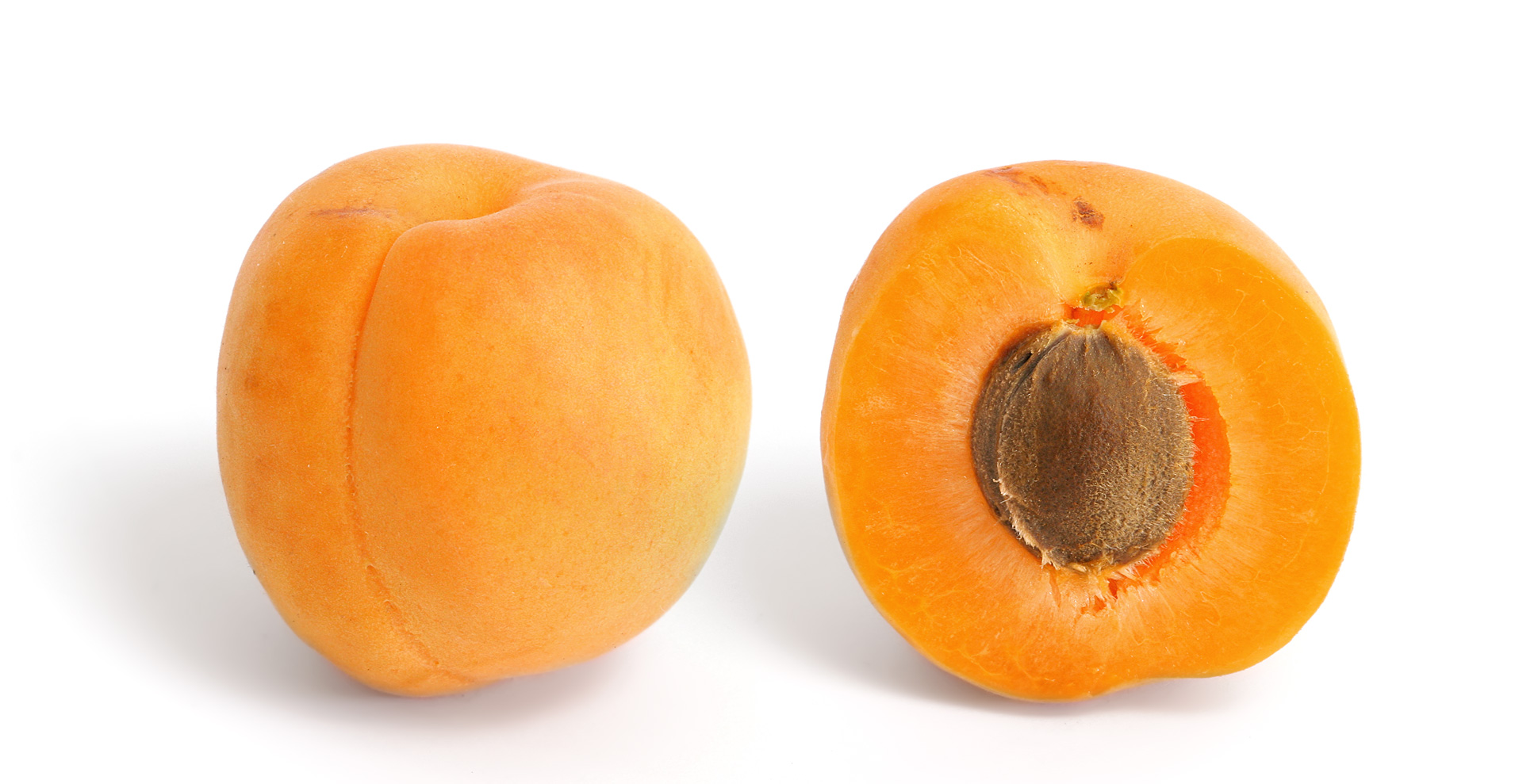
An apricot is a fruit or the tree that bears the fruit. Usually, an apricot tree is from the tree species Prunus armeniaca, but the species Prunus brigantina, Prunus mandshurica, Prunus mume, and Prunus sibirica are closely related, have similar fruit, and are also called apricots.

The almond (Prunus dulcis, syn. Prunus amygdalus, Amygdalus communis, Amygdalus dulcis) (or badam in Indian English, from Persian: بادام ) is a species of tree native to the Middle East and South Asia. "Almond" is also the name of the edible and widely cultivated seed of this tree. Within the genus Prunus, it is classified with the peach in the subgenus Amygdalus, distinguished from the other subgenera by the corrugated shell (endocarp) surrounding the seed.


Averrhoa carambola is a species of woody plant in the family Oxalidaceae; it has a number of common names including Carambola and Starfruit. This evergreen tree is native to Southeast Asia and the Indian Subcontinent. A. carambola is a small tree or shrub that grows 5–12 meters tall, with rose to red-purple flowers. The flowers are small and bell-shaped, with five petals that have whitish edges. The flowers are often produced year round under tropical conditions. The tree is cultivated in tropical and semitropical regions for its edible fruits and for medicinal uses.


The pigeon pea (Cajanus cajan) is a perennial legume from the family Fabaceae. Since its domestication in India at least 3,500 years ago, its seeds have become a common food grain in Asia, Africa, and Latin America. It is consumed on a large scale mainly in south Asia and is a major source of protein for the population of that subcontinent. Pigeon peas are both a food crop (dried peas, flour, or green vegetable peas) and a forage/cover crop. In combination with cereals, pigeon peas make a well-balanced human food. The dried peas may be sprouted briefly, then cooked, for a flavor different from the green or dried peas. Sprouting also enhances the digestibility of dried pigeon peas via the reduction of indigestible sugars that would otherwise remain in the cooked dried peas. Pigeon peas contain high levels of protein and the important amino acids methionine, lysine, and tryptophan. [Wikipedia]
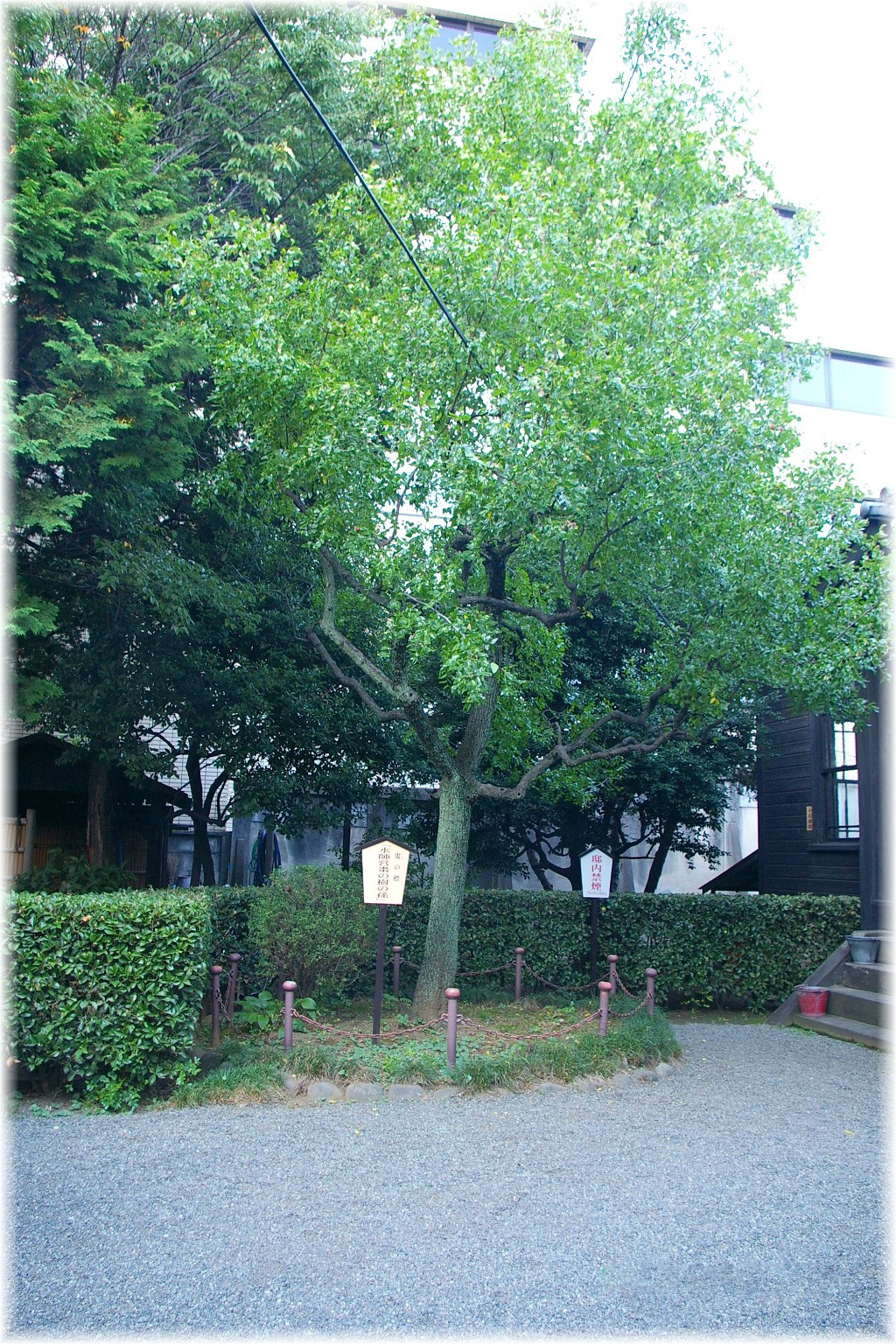
Ziziphus jujuba (from Greek ζίζυφον, zízyphon), commonly called jujube (sometimes jujuba), red date, Chinese date, Korean date, or Indian date is a species of Ziziphus in the buckthorn family (Rhamnaceae), used primarily as a shade tree that also bears fruit.

Kumquats or cumquats are a group of small fruit-bearing trees in the flowering plant family Rutaceae, either forming the genus Fortunella, or placed within Citrus sensu lato. The edible fruit closely resembles that of the orange (Citrus sinensis), but it is much smaller and ovular, being approximately the size and shape of a large olive. The English name "kumquat" derives from the Cantonese pronunciation gam1 gwat1 (given in Jyutping romanization).
<i>Capsicum annuum</i> is a domesticated species of the plant genus <i>Capsicum</i> native to southern North America and northern South America. The three species <i>C. annuum</i>, <i>C. frutescens</i> and <i>C. chinense</i> all evolved from a single common ancestor located somewhere in the northwest Brazil - Colombia area. <i>Capsicum annuum</i> is the most common and extensively cultivated of the five domesticated capsicums. The species is a source of popular "sweet peppers":http://en.wikipedia.org/wiki/Bell_peppers and "hot chilis":http://en.wikipedia.org/wiki/Chili_pepper with numerous varieties cultivated all around the world. In American English the plant is commonly known as a chili pepper or bell pepper. In British English, the sweet varieties are called red or green peppers and the hot varieties chillies, whereas in Australian and Indian English the name capsicum is commonly used for bell peppers exclusively and chilli is often used to encompass the hotter varieties. [Wikipedia] See a "list of capsicum cultivars":http://en.wikipedia.org/wiki/List_of_Capsicum_cultivars.

Hedge mustard (Sisymbrium officinale) is a plant in the family Brassicaceae. It is found on roadsides and wasteland, and as a weed of arable land. A native of Europe and North Africa, it is now well-established throughout the world.
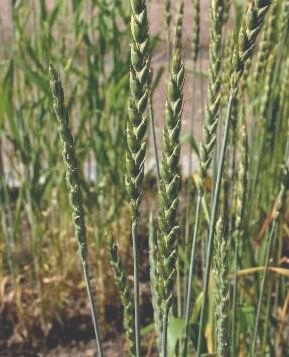
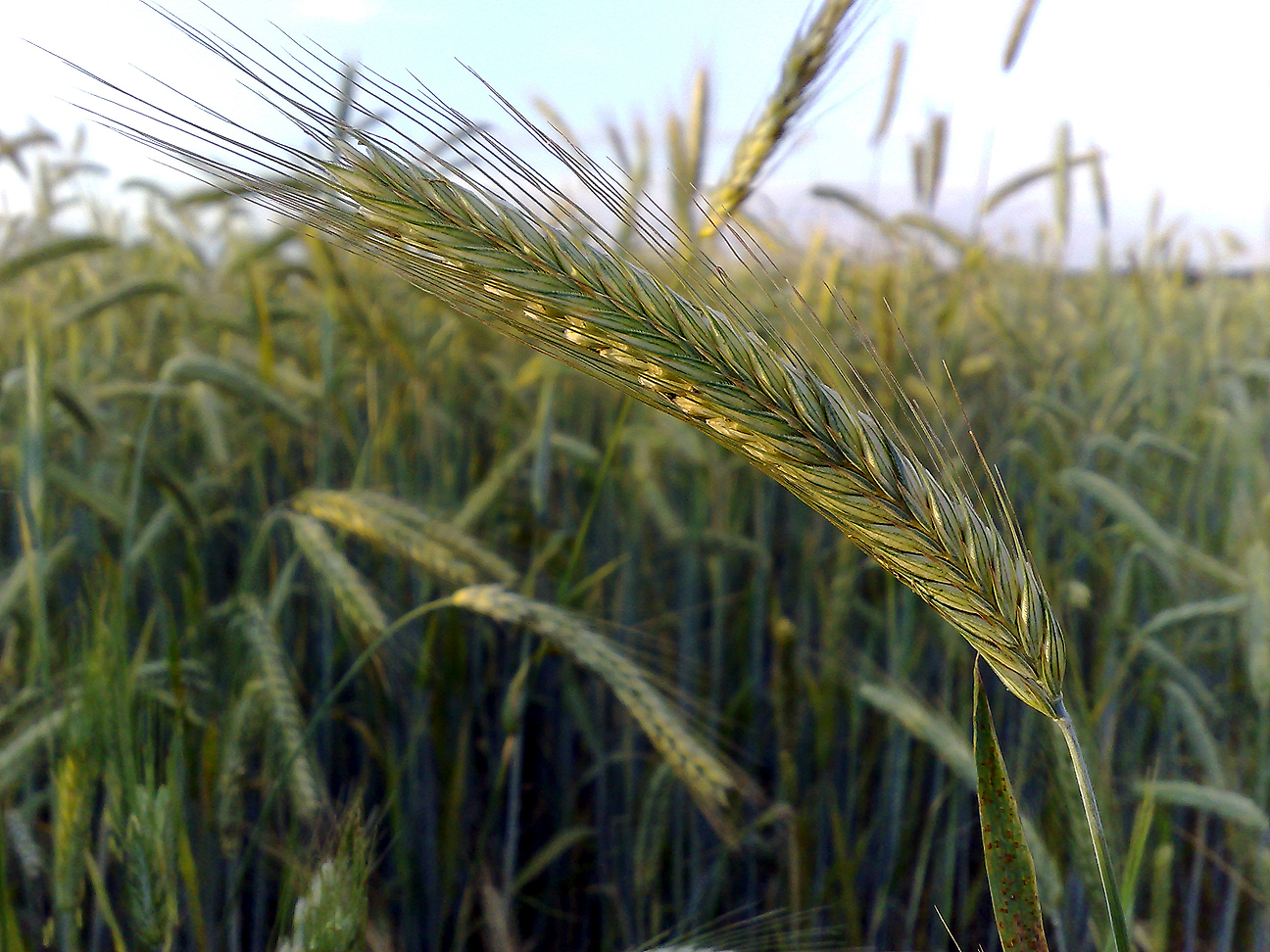
Spelt, also known as dinkel wheat, or hulled wheat, is a species of wheat cultivated since 5000 BCE. Spelt was an important staple in parts of Europe from the Bronze Age to medieval times; it now survives as a relict crop in Central Europe and northern Spain and has found a new market as a health food. Spelt is sometimes considered a subspecies of the closely related species common wheat (T. aestivum), in which case its botanical name is considered to be Triticum aestivum subsp. spelta. It is a hexaploid wheat, which means it has six sets of chromosomes.
Common chicory, Cichorium intybus, is a somewhat woody, perennial herbaceous plant usually with bright blue flowers, rarely white or pink. Many varieties are cultivated for salad leaves, chicons (blanched buds), or for roots (var. sativum), which are baked, ground, and used as a coffee substitute and additive. It is also grown as a forage crop for livestock. It lives as a wild plant on roadsides in its native Europe, and in North America and Australia, where it has become widely naturalized.
Wakame is a sea vegetable, or edible seaweed. It has a subtly sweet flavour and is most often served in soups and salads. Sea-farmers have grown wakame in Japan from the Nara period. It has been nominated as among 100 of the world's worst invasive species according to the Global Invasive Species Database.
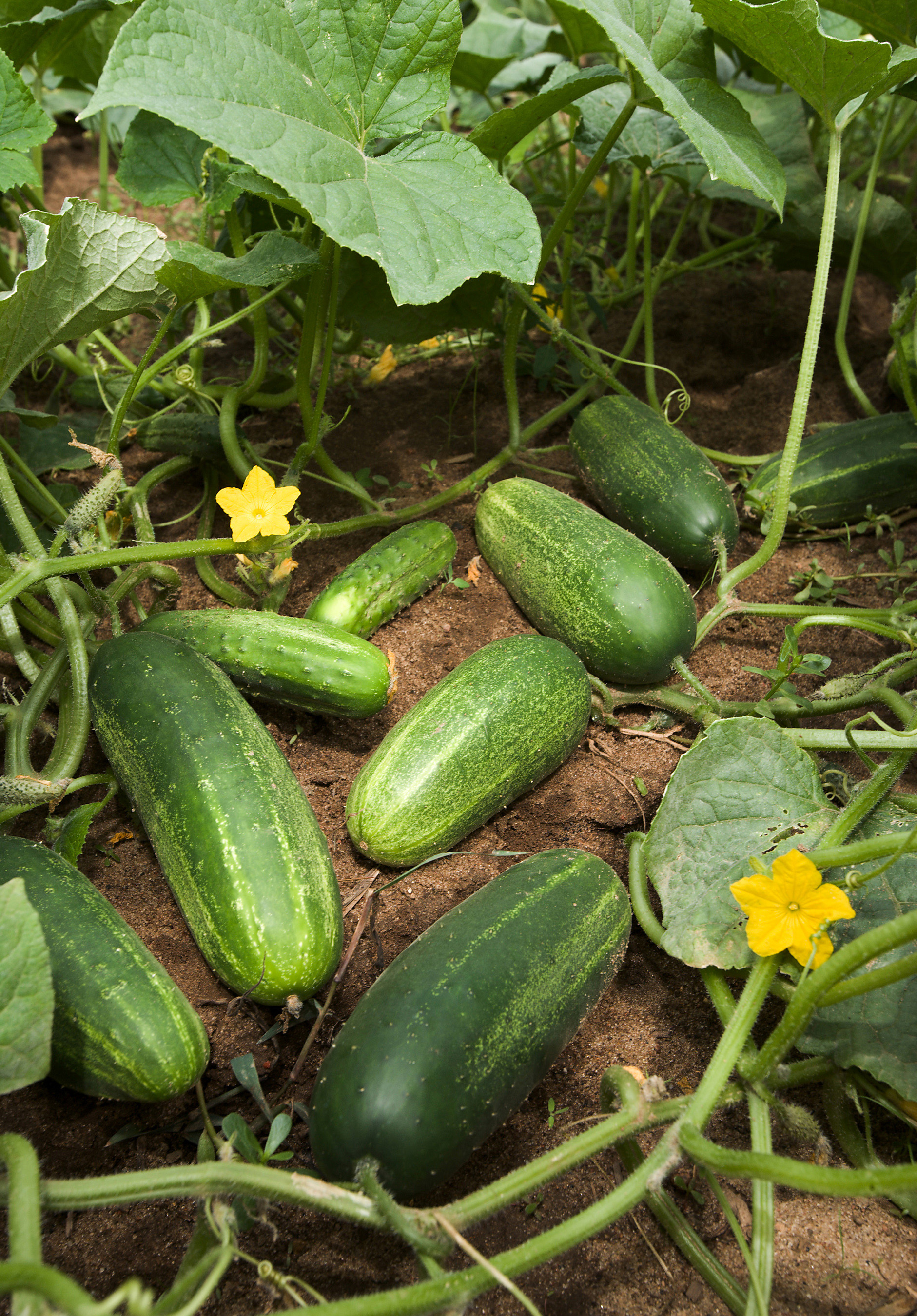
Cucumber (Cucumis sativus) is a widely cultivated plant in the gourd family Cucurbitaceae. It is a creeping vine that bears cylindrical fruits that are used as culinary vegetables. There are three main varieties of cucumber: slicing, pickling, and burpless. Within these varieties, several different cultivars have emerged. The cucumber is originally from Southern Asia, but now grows on most continents. Many different varieties are traded on the global market.

The quince (Cydonia oblonga) is the sole member of the genus Cydonia in the family Rosaceae (which also contains apples and pears, among other fruits). It is a small deciduous tree that bears a pome fruit, similar in appearance to a pear, and bright golden-yellow when mature. Throughout history the cooked fruit has been used as food, but the tree is also grown for its attractive pale pink blossom and other ornamental qualities.

The globe artichoke (Cynara cardunculus var. scolymus) is a cultivated variety of a species of thistle. It is cultivated as a food. The edible matter is buds that form within the flower heads before the flowers come into bloom. The buds go away or change to a coarse, barely edible form when the flower blooms. The uncultivated or wild variety of the species is called a cardoon. It is a perennial plant native to the Mediterranean region.

Eruca sativa (syn. E. vesicaria subsp. sativa (Miller) Thell., Brassica eruca L.) is an edible annual plant, commonly known as salad rocket, roquette, rucola, rugula, colewort, and, in the United States, arugula. It is sometimes conflated with Diplotaxis tenuifolia, the perennial wall rocket, another plant of the Brassicaceae family, which in the past was used in the same manner. Eruca sativa, which is widely popular as a salad vegetable, is a species of Eruca native to the Mediterranean region, from Morocco and Portugal in the west to Syria, Lebanon and Turkey in the east. The Latin adjective sativa in the plant's binomial is derived from satum, the supine of the verb sero, meaning "to sow", indicating that the seeds of the plant were sown in gardens. Eruca sativa differs from E. vesicaria in having early deciduous sepals. Some botanists consider it a subspecies of Eruca vesicaria: E. vesicaria subsp. sativa. Still others do not differentiate between the two.
Babassu palm (Babaçu, Cusi) is a palm native to the Amazon Rainforest region. The Babassu palm is the predominant species in the Maranhão Babaçu forests of Maranhão and Piauí states. This plant has commercial value because its seeds produce an edible oil called babassu oil, which is also used in cleaners and skin care products. The fruit is used to produce products such as medicines, beauty aids, and beverages. Traditional communities of the Maranhão region also produce a flour from the fruit and this is commercialized as a nutritional supplement. The leaves are also used to provide thatch for houses and can be woven into mats for constructing house walls. The stems are used for timbers. [Wikipedia]

The garden strawberry (or simply strawberry; Fragaria × ananassa) is a widely grown hybrid species of the genus Fragaria (collectively known as the strawberries). It is cultivated worldwide for its fruit. The fruit (which is not a botanical berry, but an aggregate accessory fruit) is widely appreciated for its characteristic aroma, bright red color, juicy texture, and sweetness. It is consumed in large quantities, either fresh or in such prepared foods as preserves, fruit juice, pies, ice creams, milkshakes, and chocolates. Artificial strawberry aroma is also widely used in many industrial food products. As strawberry flavor and fragrance are popular characteristics for consumers,they are used widely in a variety of manufacturing, including foods, beverages, confections, perfumes and cosmetics. Sweetness, fragrance and complex flavor are favorable attributes. In plant breeding and farming, emphasis is placed on sugars, acids, and volatile compounds, which improve the taste and fragrance of a ripe strawberry. Esters, terpenes, and furans are chemical compounds having the strongest relationships to strawberry flavor and fragrance, with a total of 31 volatile compounds significantly correlated to favorable flavor and fragrance [Wikipedia]
The soybean (US) or soya bean (UK) (Glycine max) is a species of legume native to East Asia, widely grown for its edible bean which has numerous uses. The plant is classed as an oilseed rather than a pulse by the UN Food and Agricultural Organization (FAO). Fat-free (defatted) soybean meal is a significant and cheap source of protein for animal feeds and many prepackaged meals; soy vegetable oil is another product of processing the soybean crop. For example, soybean products such as textured vegetable protein (TVP) are ingredients in many meat and dairy analogues. Soybeans produce significantly more protein per acre than most other uses of land. Traditional nonfermented food uses of soybeans include soy milk, and from the latter tofu and tofu skin. Fermented foods include soy sauce, fermented bean paste, natto, and tempeh, among others. The oil is used in many industrial applications. The main producers of soy are the United States (35%), Brazil (27%), Argentina (19%), China (6%) and India (4%). The beans contain significant amounts of phytic acid, alpha-linolenic acid, and isoflavones.
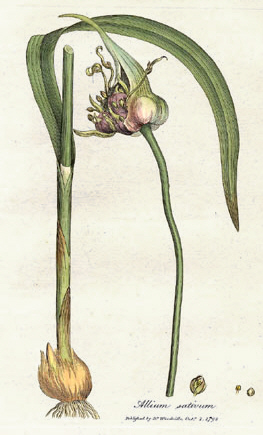
Soft-necked garlic is one of the most commonly found subspecies of garlic. Soft-necked garlic includes artichoke garlic, silverskin garlic, and creole garlic. [Wikipedia]

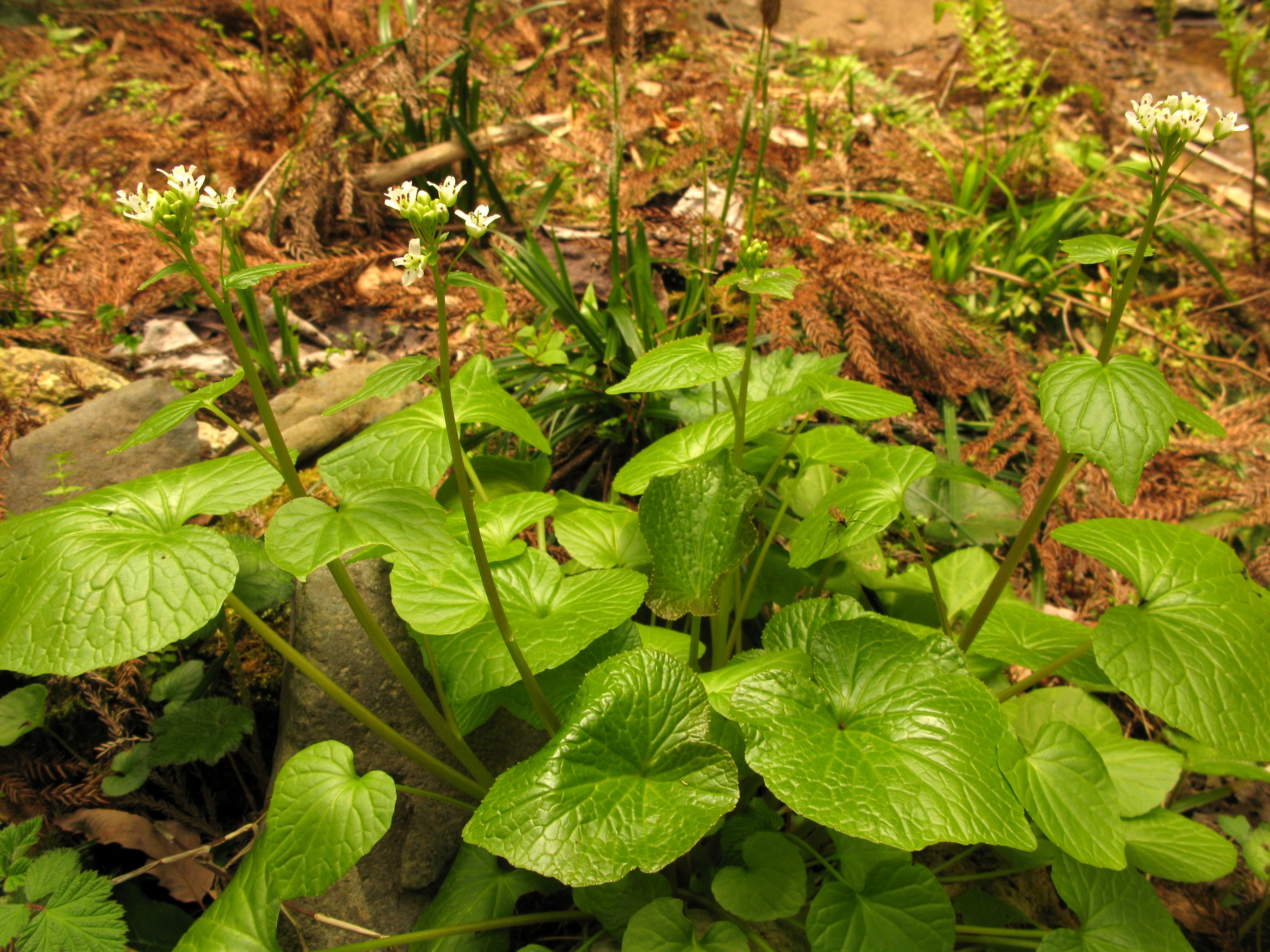

starch obtained from the rhizomes of several tropical plants

seed of Vigna unguiculata subsp. unguiculata

fruit from Gaylussacia baccata
fruit used as vegetable

herb
seeds of Vigna aconitifolia

cactus pad

seed from Canarium ovatum

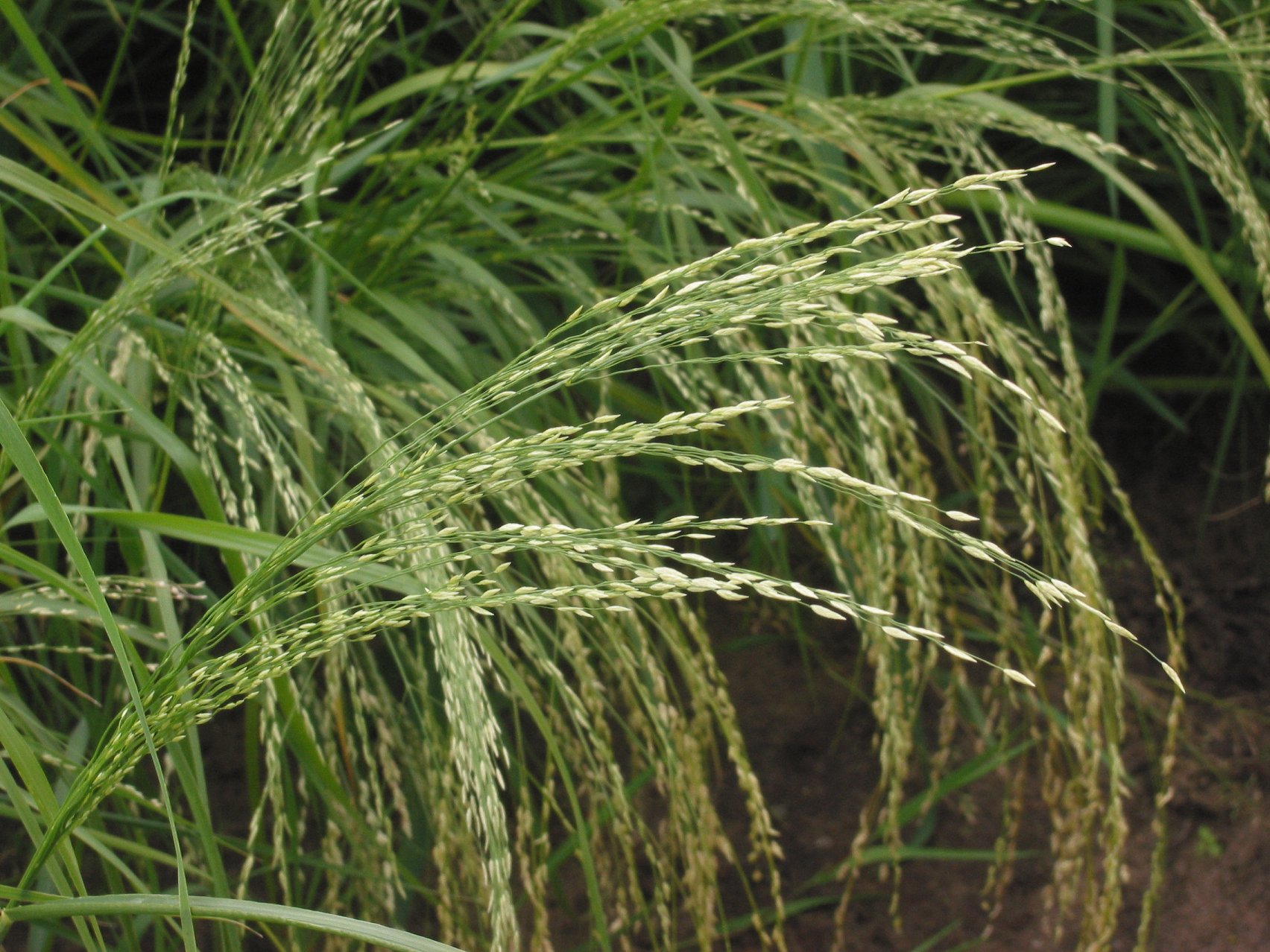
type of rice

fruit from Sechium edule
fruit of kumquat trees

seed from Phaseolus lunatus

Nut of the oak tree

Species of plant in the carrot family

Spice from Cinnamomum trees
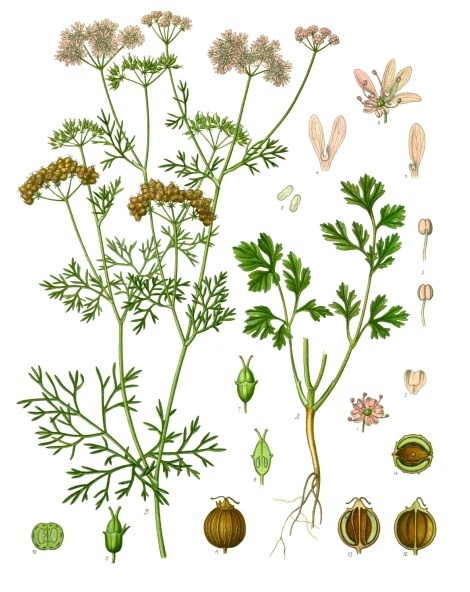
Annual herb

Species of flowering plant in the celery family Apiaceae
Verified Data
Compound identity and culinary context are continuously cross-referenced across open scientific databases and maintained by Foodgeist's enrichment pipeline.
The Geist can be wrong. Some flavor, taste, and pairing values are model-predicted, not lab-measured.