3-(4-hydroxyphenyl)-3-hydroxy-propionyl-CoA
Molecular structure
Foods containing this compound


The mango is a fleshy stone fruit belonging to the genus Mangifera, consisting of numerous tropical fruiting trees in the flowering plant family Anacardiaceae. The mango is native to South Asia, from where it has been distributed worldwide to become one of the most cultivated fruits in the tropics. While other Mangifera species (e.g. horse mango, M. foetida) are also grown on a more localized basis, Mangifera indica – the 'common mango' or 'Indian mango' – is the only mango tree commonly cultivated in many tropical and subtropical regions. It is the national fruit of India, Philippines and Pakistan. In several cultures, its fruit and leaves are ritually used as floral decorations at weddings, public celebrations and religious ceremonies.

The Poppy is an Angiospermae or flowering plant of the family Papaveraceae. Ornamental poppies are grown for their colorful flowers; some varieties of poppy are used as food, whilst other varieties produce the powerful medicinal alkaloid opium which has been used since ancient times to create analgesic and narcotic medicinal and recreational drugs. Following the trench warfare of the 1st World War which took place in the poppy fields of Flanders, red poppies have become a symbol of remembrance of soldiers who have died during wartime. Poppy flowers have 4 to 6 petals, many stamens forming a conspicuous whorl in the center of the flower and an ovary consisting of from 2 to many fused carpels. Poppies can grow to be over 4 feet tall, and 6 inches across. (Simon, Chadwick, and Craker 1984) The petals are showy, may be of almost any color and some have markings. The petals are crumpled in the bud and as blooming finishes, the petals often lie flat before falling away. The poppy will become dormant after blooming. Poppies are in full bloom late spring to early summer. (Simon, Chadwick, and Craker 1984) Most species secrete latex when injured. The pollen of the oriental poppy, Papaver orientale, is dark blue. The Papaver Somniferum poppy is mainly grown in Eastern and Southern Asia, and South Eastern Europe. It is believed that it originated in the Mediterranean region. (Jonsson and Krzymanski, 1989) The pollen of the field poppy or corn poppy (Papaver rhoeas) is dark green to grey. Bees use poppies as a pollen source. Poppies belong to genera of Papaveraceae, which includes: Papaver – corn poppy, Opium poppy, Oriental poppy, Iceland poppy, and about 120 other species Eschscholzia – California poppy and relatives Meconopsis – Welsh poppy, Nepal poppy, and relatives Stylophorum – Celandine poppy or wood poppy Argemone – Prickly poppy Romneya – Matilija poppy and relatives Canbya – Pygmy poppy Stylomecon – Wind poppy Arctomecon – desert bearpaw poppy Hunnemannia – Tulip poppy Dendromecon – Tree poppy
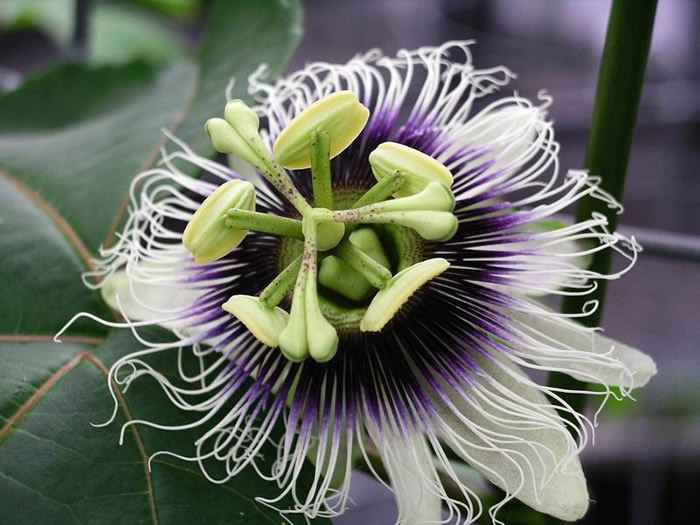
Passiflora edulis is a vine species of passion flower that is native to Brazil, Paraguay and northern Argentina. Its common names include passion fruit (UK and US), passionfruit (Australia and New Zealand), and purple granadilla (South Africa). It is cultivated commercially in warmer, frost-free areas for its fruit and is widely grown in Argentina, Australia, Bolivia, Brazil, the Caribbean, Colombia, Costa Rica, Dominican Republic, East Africa, Ecuador, Haiti, Hawaii, India, Indonesia, Israel, Mexico, New Zealand, Panama, Peru, Portugal, Puerto Rico, Sri Lanka, South Africa, United States, Venezuela and Philippines. The passion fruit is round to oval, either yellow or dark purple at maturity, with a soft to firm, juicy interior filled with numerous seeds. The fruit is both eaten and juiced; passion fruit juice is often added to other fruit juices to enhance the aroma.

The avocado (Persea americana) is a tree native to Central Mexico, classified in the flowering plant family Lauraceae along with cinnamon, camphor and bay laurel. Avocado or alligator pear also refers to the fruit (botanically a large berry that contains a single seed) of the tree. Avocados are commercially valuable and are cultivated in tropical and Mediterranean climates throughout the world. They have a green-skinned, fleshy body that may be pear-shaped, egg-shaped, or spherical. Commercially, it ripens after harvesting. Trees are partially self-pollinating and often are propagated through grafting to maintain a predictable quality and quantity of the fruit.

Phaseolus lunatus is a legume. It is grown for its seed, which is eaten as a vegetable. It is commonly known as the lima bean or butter bean.

Prunus avium, commonly called wild cherry, sweet cherry, bird cherry, or gean, is a species of cherry native to Europe, western Turkey, northwestern Africa, and western Asia, from the British Isles south to Morocco and Tunisia, north to the Trondheimsfjord region in Norway and east to the Caucasus and northern Iran, with a small disjunct population in the western Himalaya. This species, in the rose family (Rosaceae), has a diploid set of sixteen chromosomes (2n=16). All parts of the plant except for the ripe fruit are slightly toxic, containing cyanogenic glycosides.
Prunus domestica (sometimes referred to as Prunus × domestica) is a species of flowering plant in the family Rosaceae. A deciduous tree, it includes many varieties of the fruit trees known as plums in English, though not all plums belong to this species. The greengages and damsons also belong to subspecies of P. domestica.
Wild celery is a common name for several plants Wild celery may refer to Wild growing forms of celery, Apium graveolens Angelica archangelica, cultivated as a vegetable and medicinal plant Lovage, Levisticum officinale, sometimes known as wild celery Vallisneria americana, an aquatic plant in the Hydrocharitaceae family

Averrhoa carambola is a species of woody plant in the family Oxalidaceae; it has a number of common names including Carambola and Starfruit. This evergreen tree is native to Southeast Asia and the Indian Subcontinent. A. carambola is a small tree or shrub that grows 5–12 meters tall, with rose to red-purple flowers. The flowers are small and bell-shaped, with five petals that have whitish edges. The flowers are often produced year round under tropical conditions. The tree is cultivated in tropical and semitropical regions for its edible fruits and for medicinal uses.
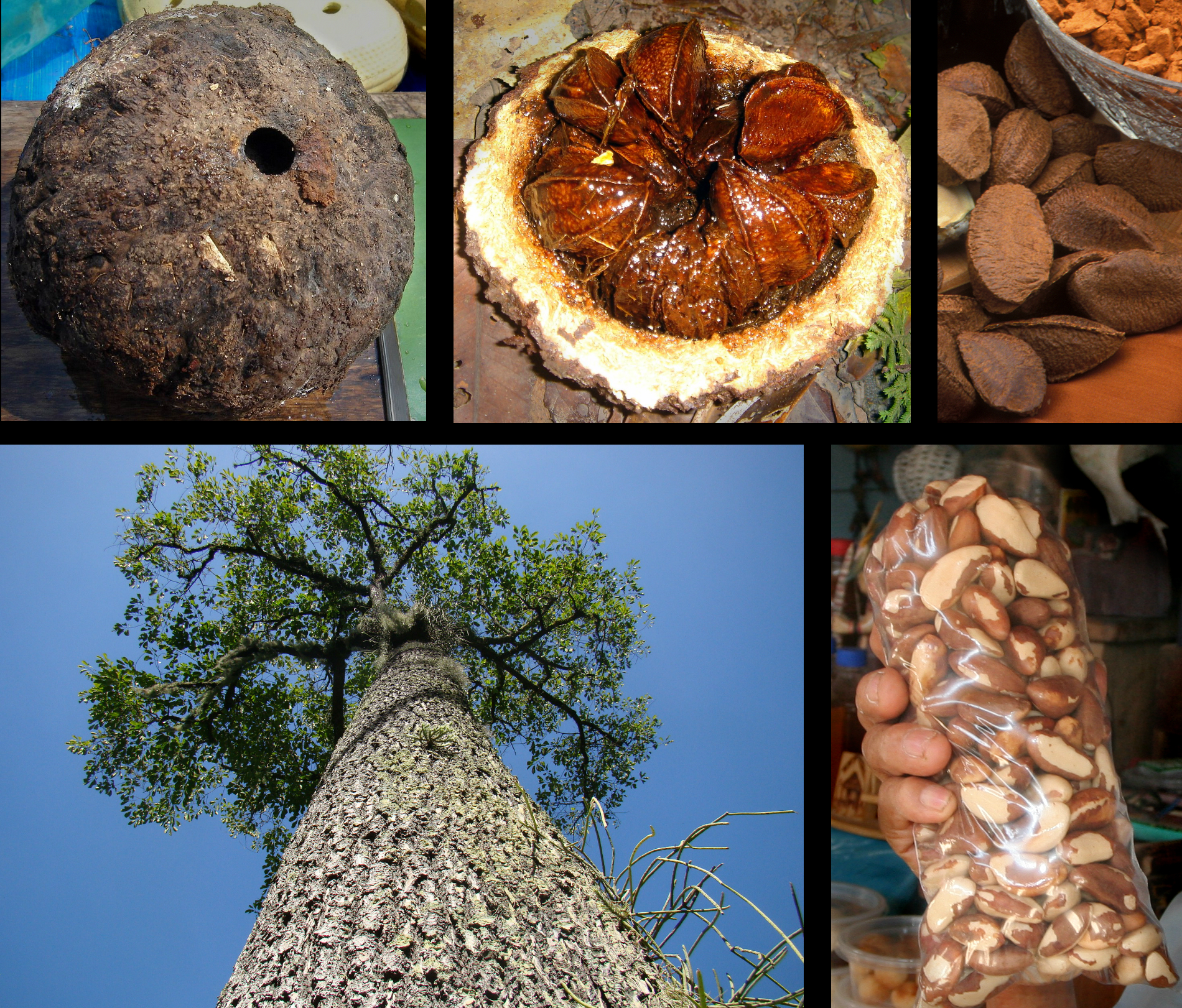
The Brazil nut (Bertholletia excelsa) is a South American tree in the family Lecythidaceae, and also the name of the tree's commercially harvested edible seed.
The American butterfish, Peprilus triacanthus, is a butterfish of the family Stromateidae. It is also known as a dollarfish, shiner, skipjack, sheepshead, or harvestfish.

Cottonseed is the seed of the cotton plant (gossypium). The mature seeds are brown ovoids weighing about a tenth of a gram. By weight, they are 60% cotyledon, 32% coat and 8% embryonic root and shoot. These are 20% protein, 20% oil and 3.5% starch. Fibres grow from the seed coat to form a boll of cotton lint. The boll is a protective fruit and when the plant is grown commercially, it is stripped from the seed by ginning and the lint is then processed into cotton fibre. For every hundred weight of fibre, about one hundred and sixty weight of seeds are produced. The seeds are about 15% of the value of the crop and are pressed to make oil and used as animal feed. About 5% of the seeds are used to sow the next crop.

Lablab purpureus, commonly known as the hyacinth bean, Indian bean, calavance, seim, Egyptian bean, njahi, bulay, bataw, a species of bean in the family Fabaceae, is widespread as a food crop throughout the tropics, especially in Africa, India, Bangladesh, and Indonesia. A traditional food plant in Africa, this little-known vegetable in the West has potential to improve nutrition, boost food security, foster rural development and support sustainable landcare.

Lupinus albus, commonly known as the white lupin, is a member of the genus Lupinus in the family Fabaceae. It is a traditional pulse cultivated in the Mediterranean region.
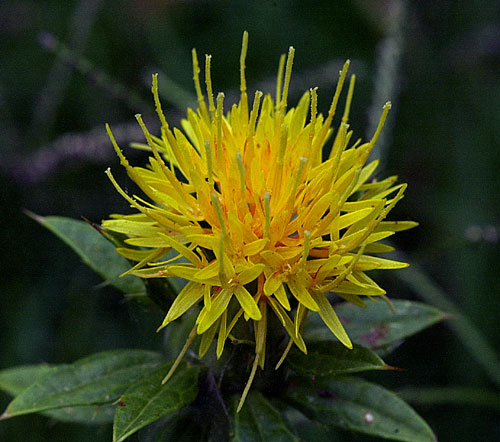
Safflower is a highly branched, herbaceous, thistle-like annual. It is commercially cultivated for vegetable oil extracted from the seeds. Plants are 30 to 150 cm (to in) tall with globular flower heads having yellow, orange, or red flowers. Each branch will usually have from one to five flower heads containing 15 to 20 seeds per head. Safflower is native to arid environments having seasonal rain. It grows a deep taproot which enables it to thrive in such environments.
American Pokeweed (Phytolacca americana) is a large semi-succulent herbaceous perennial plant growing up to 10 feet (3 meters) in height. It is native to eastern North America, the Midwest, and the Gulf Coast, with more scattered populations in the far West. It is also known as Virginia poke, American nightshade, cancer jalap, coakum, garget, inkberry, pigeon berry, pocan, pokeroot, pokeweed, pokeberry, redweed, scoke, red ink plant and chui xu shang lu. Parts of this plant are highly toxic to livestock and humans, and it is considered a major pest by farmers. Nonetheless, some parts can be used as food, medicine or poison. The plant has a large white taproot, green or red stems, and large, simple leaves. White flowers are followed by purple to almost black berries, which are a good food source for songbirds such as Gray Catbird, Northern Cardinal, Brown Thrasher, and Northern Mockingbird.
Rubus spectabilis (salmonberry) is a species of Rubus native to the west coast of North America from west central Alaska to California.

Soursop is the fruit of Annona muricata, a broadleaf, flowering, evergreen tree native to Mexico, Cuba, Central America, the Caribbean and northern South America: Colombia, Brazil, Peru, Ecuador and Venezuela. Soursop is also produced in Somalia. Today, it is also grown in some areas of Southeast Asia, as well as in some Pacific islands. It was most likely brought from Mexico to the Philippines by way of the Manila-Acapulco Galleon trade. It is in the same genus as the chirimoya and the same family as the pawpaw. Soursop, raw, edible parts Nutritional value per 100 g Energy 276 kJ Carbohydrates 16.84 g - Sugars 13.54 g - Dietary fiber 3.3 g Fat 0.30 g Protein 1.00 g Vitamin A equiv. 0 μg (0%) Thiamine (vit. B1) 0.070 mg (6%) Riboflavin (vit. B2) 0.050 mg (4%) Niacin (vit. B3) 0.900 mg (6%) Vitamin B6 0.059 mg (5%) Folate (vit. B9) 14 μg (4%) Vitamin C 20.6 mg (25%) Calcium 14 mg (1%) Iron 0.6 mg (5%) Magnesium 21 mg (6%) Phosphorus 27 mg (4%) Potassium 278 mg (6%) Zinc 0.1 mg (1%) Percentages are relative toUS recommendations for adults. The soursop is adapted to areas of high humidity and relatively warm winters; temperatures below 5 °C will cause damage to leaves and small branches, and temperatures below 3 °C can be fatal. The fruit becomes dry and is no longer good for concentrate. Other common names include: Evo, Aluguntugui guanábana, graviola, anona, corossol, sorsaka, adunu, Brazilian pawpaw, guyabano, guanavana, toge-banreisi, durian benggala, nangka blanda, sirsak, zuurzak and nangka londa. In Malayalam, it is called mullaatha, literally thorny custard apple. The other lesser-known Indian names are shul-ram-fal and Lakshmana Phala. and in Harar (Ethiopia) in Harari language known for centuries as Amba Shoukh (Thorny Mango or Thorny Fruit). The flavour has been described as a combination of strawberry and pineapple, with sour citrus flavour notes contrasting with an underlying creamy flavour reminiscent of coconut or banana.
Allium haematochiton is a species of wild onion known by the common name redskin onion. It is native to northern Baja California and southern California. It it grows on the slopes of the coastal hills and mountains, such as those of the Peninsular Ranges, Transverse Ranges, and southern California Coast Ranges.
The black-eyed pea or black-eyed bean, a legume, is a subspecies of the cowpea, grown around the world for its medium-sized, edible bean. The bean mutates easily, giving rise to a number of varieties. The common commercial one is called the California Blackeye; it is pale-colored with a prominent black spot. The currently accepted botanical name is Vigna unguiculata subsp. unguiculata, although previously it was classified in the genus Phaseolus. Vigna unguiculata subsp. dekindtiana is the wild relative and Vigna unguiculata subsp. sesquipedalis is the related asparagus bean. Other beans of somewhat similar appearance, such as the frijol ojo de cabra (goat's eye bean) of northern Mexico, are sometimes incorrectly called black-eyed peas, and vice versa.
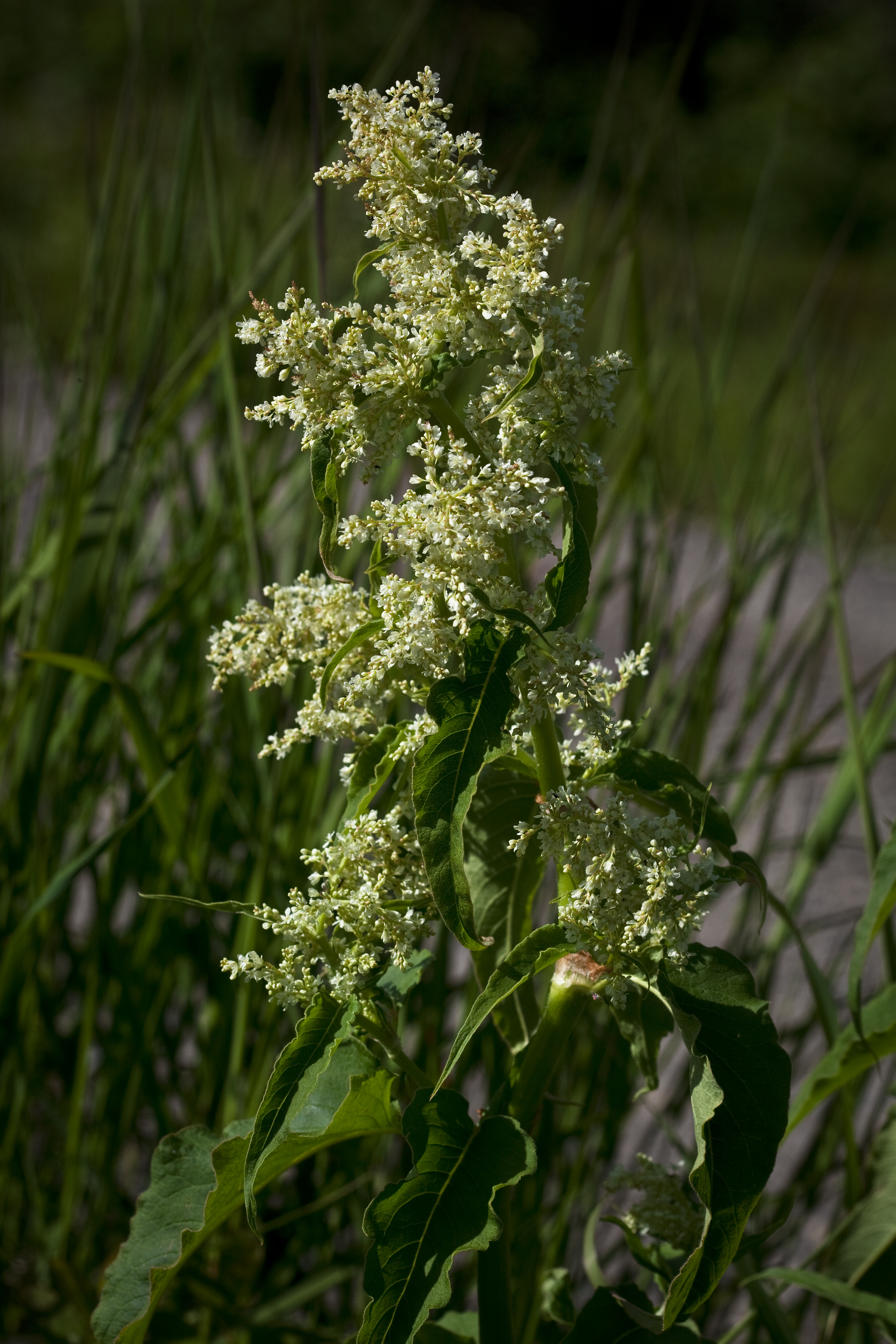
<i>Aconogonon alpinum</i>, commonly known as alpine knotweed, is similar to <i>Aconogonon alaskanum</i>, but differs in leaf size and achene characteristics. (Wikipedia)
The Shiitake (Lentinula edodes) is an edible mushroom native to East Asia, which is cultivated and consumed in many Asian countries. It is a feature of many Asian cuisines. It is also considered a medicinal mushroom in some forms of traditional medicine.

The orange (specifically, the sweet orange) is the fruit of the citrus species Citrus × sinensis in the family Rutaceae.The fruit of the Citrus sinensis is considered a sweet orange, whereas the fruit of the Citrus aurantium is considered a bitter orange. The orange is a hybrid, possibly between pomelo (Citrus maxima) and mandarin (Citrus reticulata), which has been cultivated since ancient times.

Rumex arcticus, commonly known as Arctic Dock or Sourdock, is a perennial flowering plant that is native to Alaska. Its leaves are an important part of the diet of native Alaskans such as the Yupik people, who include it in various dishes such as akutaq.

Wheat (Triticum spp. ) is a cereal grain, originally from the Levant region of the Near East and Ethiopian Highlands, but now cultivated worldwide. In 2010, world production of wheat was 651 million tons, making it the third most-produced cereal after maize (844 million tons) and rice (672 million tons). Wheat was the second most-produced cereal in 2009; world production in that year was 682 million tons, after maize (817 million tons), and with rice as a close third (679 million tons). This grain is grown on more land area than any other commercial food. World trade in wheat is greater than for all other crops combined. Globally, wheat is the leading source of vegetable protein in human food, having a higher protein content than soybeans or the other major cereals, maize (corn) or rice. In terms of total production tonnages used for food, it is currently second to rice as the main human food crop and ahead of maize, after allowing for maize's more extensive use in animal feeds. Wheat was a key factor enabling the emergence of city-based societies at the start of civilization because it was one of the first crops that could be easily cultivated on a large scale, and had the additional advantage of yielding a harvest that provides long-term storage of food. Wheat contributed to the emergence of city-states in the Fertile Crescent, including the Babylonian and Assyrian empires. Wheat grain is a staple food used to make flour for leavened, flat and steamed breads, biscuits, cookies, cakes, breakfast cereal, pasta, noodles, couscous and for fermentation to make beer, other alcoholic beverages, or biofuel. Wheat is planted to a limited extent as a forage crop for livestock, and its straw can be used as a construction material for roofing thatch. The whole grain can be milled to leave just the endosperm for white flour. The by-products of this are bran and germ. The whole grain is a concentrated source of vitamins, minerals, and protein, while the refined grain is mostly starch.

Muskmelon (Cucumis melo) is a species of melon that has been developed into many cultivated varieties. These include smooth skinned varieties such as honeydew, crenshaw and casaba, and different netted cultivars (cantaloupe, Persian melon and Santa Claus or Christmas melon). The Armenian cucumber is also a variety of muskmelon, but its shape, taste, and culinary uses more closely resemble those of a cucumber. The large number of cultivars in this species approaches that found in wild cabbage, though morphological variation is not as extensive. It is a fruit of a type called pepo. Muskmelon is native to Persia, Anatolia, Armenia, and adjacent areas on the west and the east which is believed to be their center of origin and development, with a secondary center including the northwest provinces of India and Afghanistan. Although truly wild forms of C. melo have not been found, several related wild species have been noted in those regions.

The quince (Cydonia oblonga) is the sole member of the genus Cydonia in the family Rosaceae (which also contains apples and pears, among other fruits). It is a small deciduous tree that bears a pome fruit, similar in appearance to a pear, and bright golden-yellow when mature. Throughout history the cooked fruit has been used as food, but the tree is also grown for its attractive pale pink blossom and other ornamental qualities.

Eruca sativa (syn. E. vesicaria subsp. sativa (Miller) Thell., Brassica eruca L.) is an edible annual plant, commonly known as salad rocket, roquette, rucola, rugula, colewort, and, in the United States, arugula. It is sometimes conflated with Diplotaxis tenuifolia, the perennial wall rocket, another plant of the Brassicaceae family, which in the past was used in the same manner. Eruca sativa, which is widely popular as a salad vegetable, is a species of Eruca native to the Mediterranean region, from Morocco and Portugal in the west to Syria, Lebanon and Turkey in the east. The Latin adjective sativa in the plant's binomial is derived from satum, the supine of the verb sero, meaning "to sow", indicating that the seeds of the plant were sown in gardens. Eruca sativa differs from E. vesicaria in having early deciduous sepals. Some botanists consider it a subspecies of Eruca vesicaria: E. vesicaria subsp. sativa. Still others do not differentiate between the two.
Canola refers to a cultivar of either Rapeseed (Brassica napus L.) or field mustard (Brassica campestris L. or Brassica Rapa var.). Its seeds are used to produce edible oil suitable for consumption by humans and livestock. Originally, Canola was bred naturally from rapeseed in Canada by Keith Downey and Baldur R. Stefansson in the early 1970s, but it has a very different nutritional profile in addition to much less erucic acid. The name "canola" was derived from "Canadian oil, low acid" in 1978. [Wikipedia]
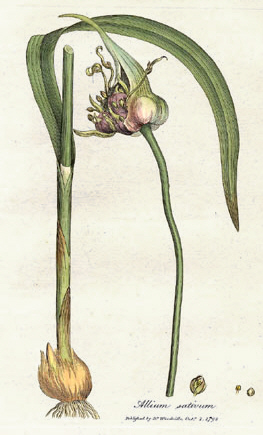
With a history of human use of over 7,000 years, garlic (Allium sativum) is native to central Asia, and has long been a staple in the Mediterranean region, as well as a frequent seasoning in Asia, Africa, and Europe. There are two sub-varieties of allium sativum: Allium sativum var. sativum (soft-necked garlic) and Allium sativum var. ophioscorodon (hard-necked garlic). Soft-necked garlic is the most commonly found. Bulb garlic is available in many forms, including fresh, frozen, dried, fermented (black garlic) and shelf stable products (in tubes or jars). [Wikipedia]

Naranjilla in Ecuador or lulo in Colombia, is a subtropical perennial plant from northwestern South America. The fruit has a citrus flavour, sometimes described as a combination of rhubarb and lime. The juice of the naranjilla is green and is often used as a drink. [Wikipedia]

The garden strawberry (or simply strawberry; Fragaria × ananassa) is a widely grown hybrid species of the genus Fragaria (collectively known as the strawberries). It is cultivated worldwide for its fruit. The fruit (which is not a botanical berry, but an aggregate accessory fruit) is widely appreciated for its characteristic aroma, bright red color, juicy texture, and sweetness. It is consumed in large quantities, either fresh or in such prepared foods as preserves, fruit juice, pies, ice creams, milkshakes, and chocolates. Artificial strawberry aroma is also widely used in many industrial food products. As strawberry flavor and fragrance are popular characteristics for consumers,they are used widely in a variety of manufacturing, including foods, beverages, confections, perfumes and cosmetics. Sweetness, fragrance and complex flavor are favorable attributes. In plant breeding and farming, emphasis is placed on sugars, acids, and volatile compounds, which improve the taste and fragrance of a ripe strawberry. Esters, terpenes, and furans are chemical compounds having the strongest relationships to strawberry flavor and fragrance, with a total of 31 volatile compounds significantly correlated to favorable flavor and fragrance [Wikipedia]

Chives is the common name of Allium schoenoprasum, the smallest species of the edible onions. A perennial plant, it is native to Europe, Asia and North America. A. schoenoprasum is the only species of Allium native to both the New and the Old Worlds. The name of the species derives from the Greek skhoínos and práson. Its English name, chives, derives from the French word cive, from cepa, the Latin word for onion. Chives are a commonly used herb and can be found in grocery stores or grown in home gardens. In culinary use, the scapes are diced and used as an ingredient for fish, potatoes, soups, and other dishes. Chives have insect-repelling properties that can be used in gardens to control pests.
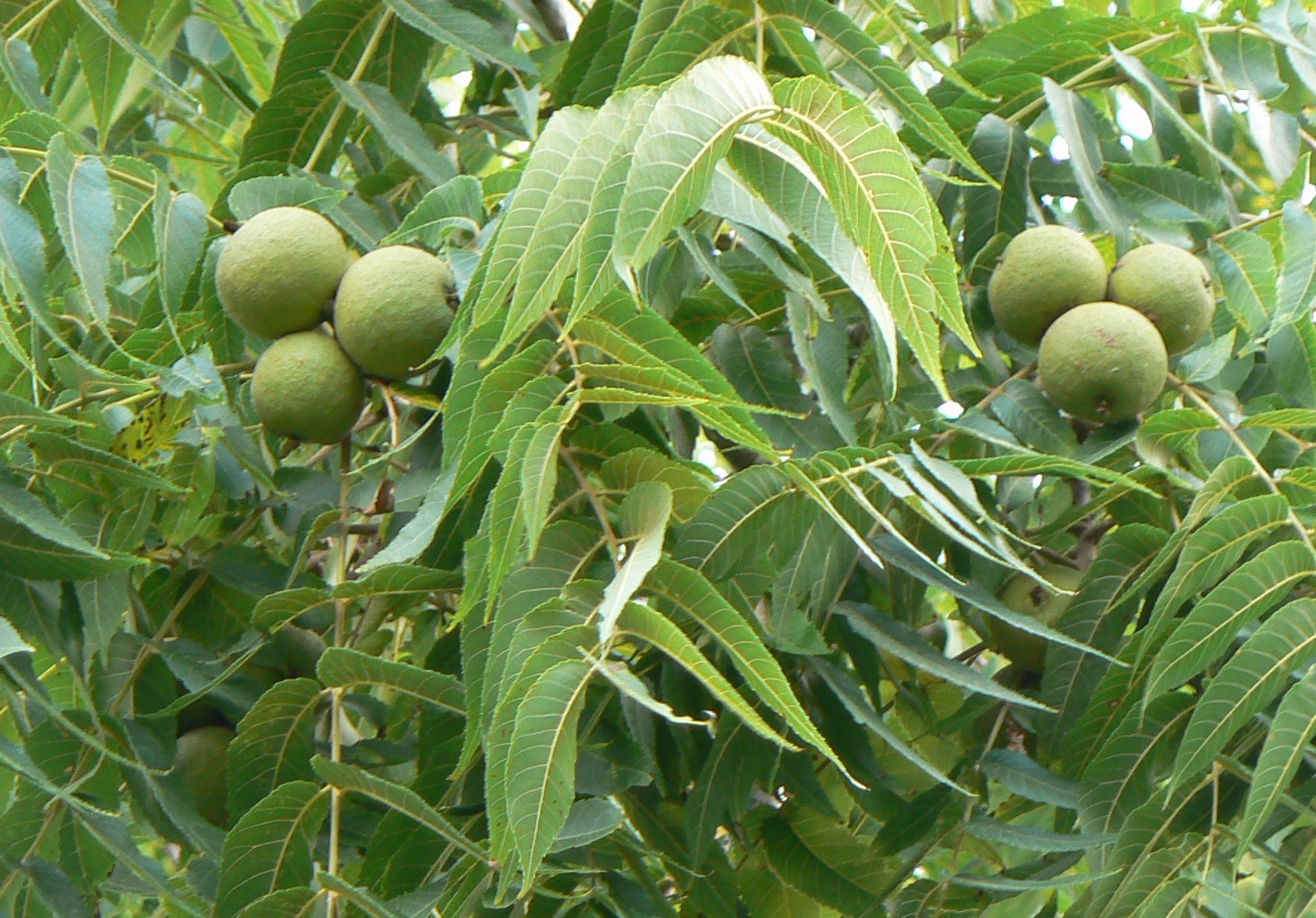
Juglans nigra, the eastern black walnut, a species of flowering tree in the walnut family, Juglandaceae, is native to eastern North America. It grows mostly in riparian zones, from southern Ontario, west to southeast South Dakota, south to Georgia, northern Florida and southwest to central Texas. Isolated wild trees in the upper Ottawa Valley may be an isolated native population or may have derived from planted trees.

Cress (Lepidium sativum), sometimes referred to as garden cress to distinguish it from similar plants also referred to as cress. Garden Cress is a rather fast-growing, edible herb. Garden cress is genetically related to watercress and mustard, sharing their peppery, tangy flavor and aroma. In some regions, garden cress is known as mustard and cress, garden pepper cress, pepper grass, pepperwort or poor person's pepper. This annual plant can reach a height of 60 cm (~24 inches), with many branches on the upper part. The white to pinkish flowers are only 2 mm (1/12 of an inch) across, clustered in branched racemes.

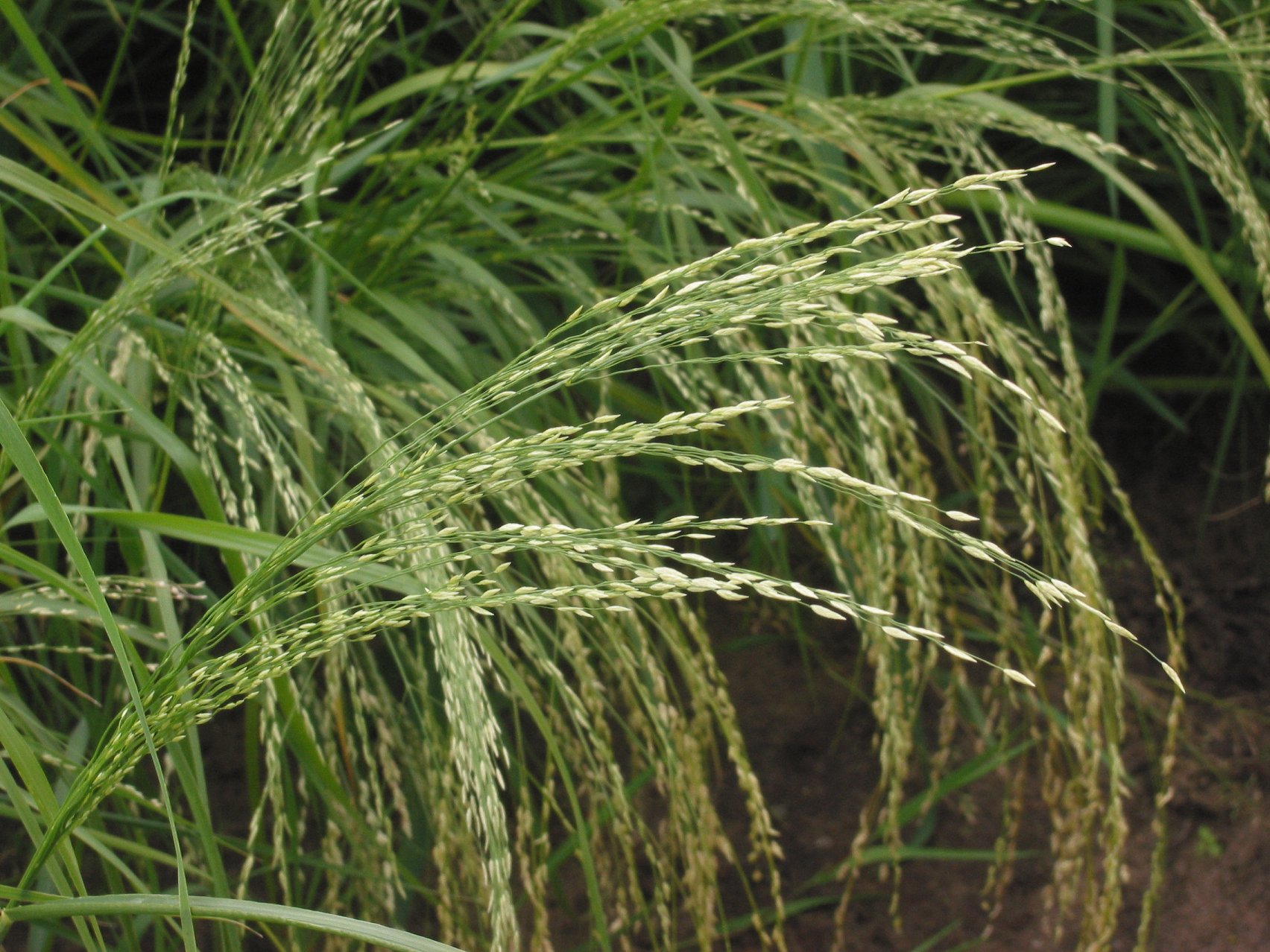
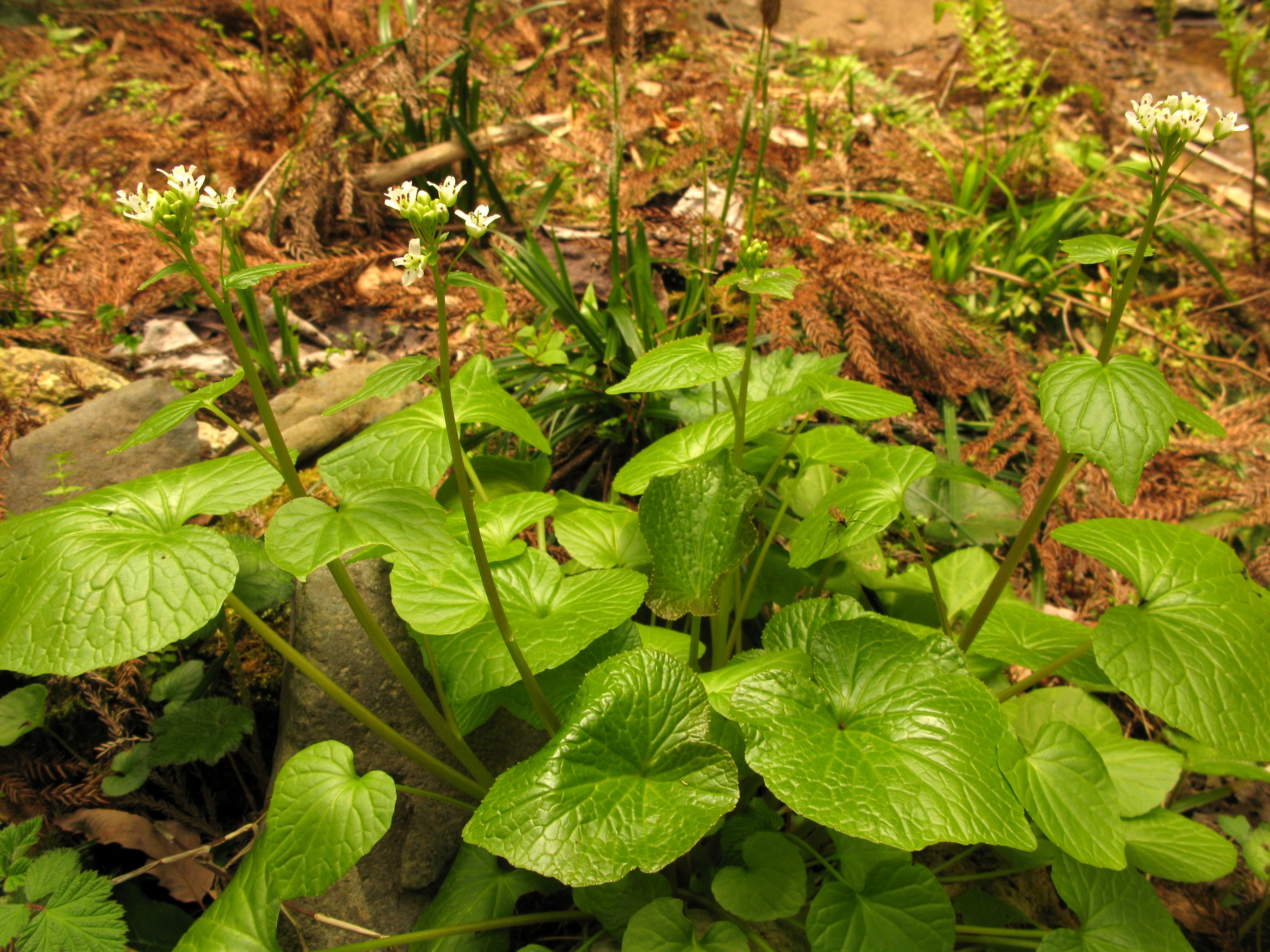

seed of Vigna unguiculata subsp. unguiculata

fruit from Gaylussacia baccata
seeds of Vigna aconitifolia

cactus pad

seed from Canarium ovatum

type of rice

fruit from Sechium edule

fruit of kumquat trees
seed from Phaseolus lunatus

Species of plant in the carrot family
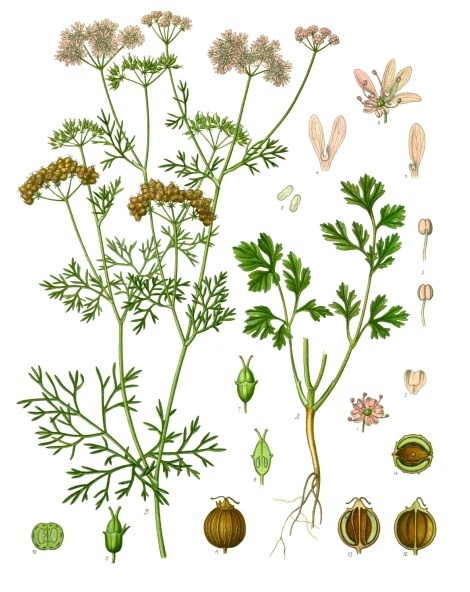
Annual herb

Species of flowering plant in the celery family Apiaceae
Verified Data
Compound identity and culinary context are continuously cross-referenced across open scientific databases and maintained by Foodgeist's enrichment pipeline.
The Geist can be wrong. Some flavor, taste, and pairing values are model-predicted, not lab-measured.