(R)-(+)-citronellal
Molecular structure
Sensory signature
How this molecule tastes and smells · gold is measured, dashed is a model estimate
Receptor binding
Measured in literature · peer-reviewed · how this compound interacts with biological receptors
Foods containing this compound

Lemon balm (Melissa officinalis), not to be confused with bee balm (which is genus Monarda), is a perennial herb in the mint family Lamiaceae, native to southern Europe and the Mediterranean region. It grows to 70–150 cm tall. The leaves have a gentle lemon scent, related to mint. During summer, small white flowers full of nectar appear. These attract bees, hence the genus name Melissa (Greek for 'honey bee'). Its flavour comes from citronellal (24%), geranial (16%), linalyl acetate (12%) and caryophyllene (12%).
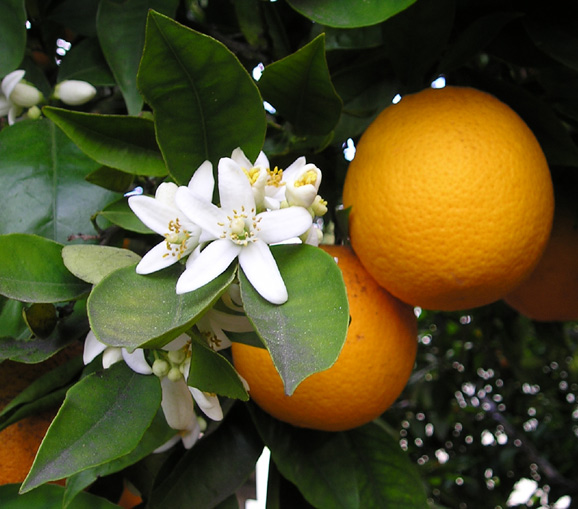
Citrus is a common term and genus (Citrus) of flowering plants in the rue family, Rutaceae. The most recent research indicates an origin in Australia, New Caledonia and New Guinea. Some researchers believe that the origin is in the part of Southeast Asia bordered by Northeast India, Burma (Myanmar) and the Yunnan province of China, and it is in this region that some commercial species such as oranges, mandarins, and lemons originally came. Citrus fruit has been cultivated in an ever-widening area since ancient times; the best-known examples are the oranges, lemons, grapefruit, and limes.

Verified Data
Compound identity and culinary context are continuously cross-referenced across open scientific databases and maintained by Foodgeist's enrichment pipeline.
The Geist can be wrong. Some flavor, taste, and pairing values are model-predicted, not lab-measured.